Choosing a resin floor isn't simply about selecting a colour or finish. One of the biggest decisions property owners face is choosing between epoxy vs polyurethane flooring.
Both are durable, seamless resin flooring systems, but they perform differently depending on where they're installed and how the space is used.
Selecting the wrong system can lead to unnecessary maintenance, reduced lifespan, or paying for performance features you don't actually need.
This guide explains the key differences between epoxy and polyurethane flooring so you can confidently choose the right solution for your London home or commercial property.
Get a Free Quote for Your Project.
Why Choosing the Wrong Resin Flooring System Can Be Costly
Many people assume all resin flooring performs the same.
In reality, epoxy and polyurethane are designed for different environments.
For example:
A residential kitchen has very different requirements from a warehouse.
A showroom experiences different wear than a garage.
A home with underfloor heating places different demands on the floor than an industrial workspace.
That's why experienced resin flooring specialists recommend a flooring system based on how the space will actually be used - not simply on budget.
What Is Epoxy Flooring?
Epoxy flooring is a high-strength resin system that creates a hard, durable and seamless surface once cured.
It is widely used in:
Garages
Workshops
Warehouses
Retail units
Commercial premises
Residential utility areas
Epoxy flooring is particularly valued for its excellent resistance to heavy foot traffic, chemicals and abrasion.

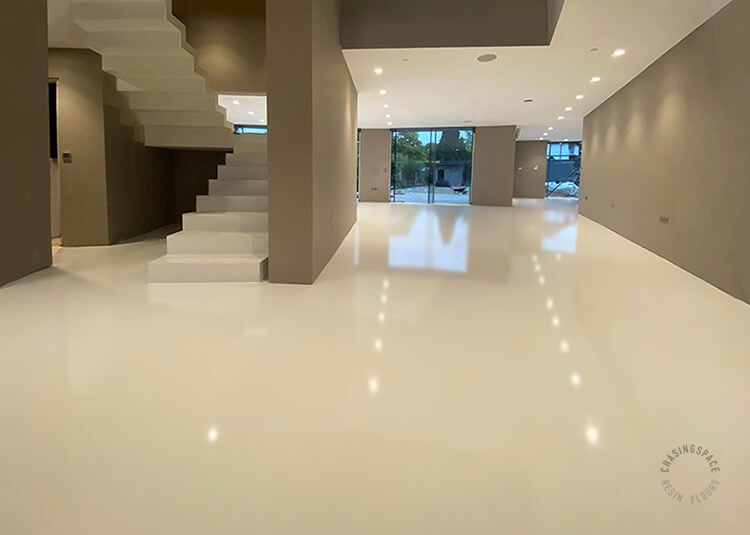
Advantages of Epoxy Flooring
Highly durable
Strong chemical resistance
Excellent abrasion resistance
Smooth seamless finish
Wide range of decorative colours
Cost-effective for many applications
However, epoxy is generally less flexible than polyurethane, making substrate preparation especially important.
What is Polyurethane Flooring?
Polyurethane flooring is another type of seamless resin flooring, but it has greater flexibility than epoxy.
Instead of focusing solely on hardness, polyurethane is designed to absorb small amounts of movement within the substrate while remaining durable.
It is commonly specified for:
Modern homes
Offices
Schools
Healthcare environments
Hospitality venues
High-end residential interiors
Advantages of Polyurethane Flooring
Greater flexibility
Better resistance to UV exposure
Comfortable underfoot
Excellent scratch resistance
Suitable for underfloor heating
Attractive contemporary finishes
For many homeowners, polyurethane provides a softer, more comfortable finish while maintaining excellent durability.
“We worked with Jonathan on a project in London. Chasingspace Polyurethane resins are very good at absorbing ambient heat and retaining warmth, and are comfortable to walk on. They are durable with 15% flexibility and easy to clean. It really does result in a beautiful sleek finish.”
Epoxy vs Polyurethane Flooring: Key Differences
Durability
Both systems are exceptionally durable when professionally installed.
Epoxy offers greater hardness, making it ideal for areas exposed to heavy equipment or frequent impact.
Polyurethane remains highly durable but provides additional flexibility that helps accommodate slight structural movement.
Flexibility
This is where polyurethane has a clear advantage.
Buildings naturally expand and contract with temperature changes.
Because polyurethane is more elastic than epoxy, it generally performs better in environments where slight movement may occur.
UV Resistance
One of epoxy flooring's limitations is prolonged exposure to direct sunlight.
Over time, some epoxy systems can discolour when exposed to UV light.
Polyurethane flooring offers superior UV stability, making it a better choice for bright residential spaces with large windows or glazed extensions.
Not sure which is right for your home? Get a free, no-obligation quote.
Comfort Underfoot
For homes, comfort matters.
Polyurethane flooring provides a slightly more resilient feel underfoot compared with the harder surface created by epoxy flooring.
This makes it particularly popular for kitchens, living areas and open-plan spaces.
Cost
When comparing epoxy vs polyurethane flooring, epoxy is often the more economical option.
Polyurethane generally carries a higher installation cost because of its enhanced flexibility, UV stability and performance characteristics.
Rather than focusing solely on price, homeowners should consider which flooring system offers the best long-term value for the intended space.
Which Resin Flooring Is Better for Homes?
For most residential projects in London, polyurethane flooring is often the preferred option because it offers:
Better comfort
Excellent UV resistance
Compatibility with underfloor heating
Contemporary appearance
Long-term flexibility
However, epoxy remains an excellent choice for garages, workshops, utility rooms and areas where maximum hardness is required.
The right solution depends on how the room will be used - not simply which material is more expensive.
“Just wanted to say a big thank you for the floor, it looks amazing. I think people should know what a great professional they are dealing with when they decide to choose your company to do their resin floor.”
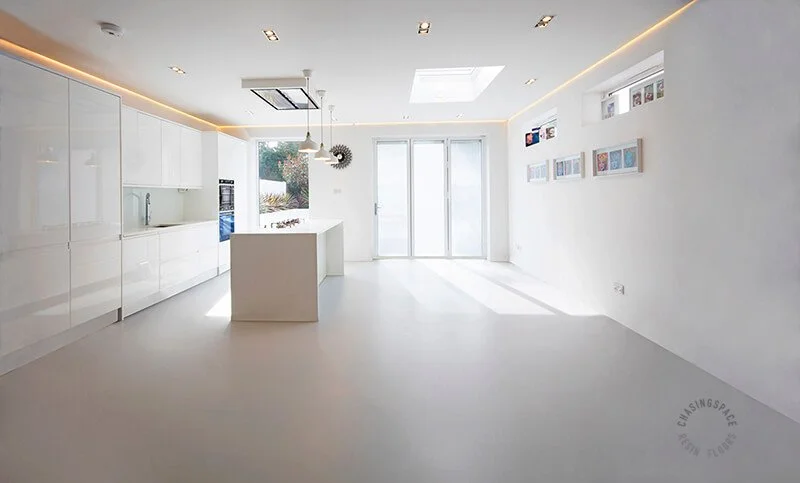
We have installed polyurethane flooring in homes right across Greater London.
From Streatham, Wandsworth, Barnes and Dulwich to Hackney, Hampstead, Chelsea, Kensington and St John’s Wood.
Professional Installation Matters More Than the Resin Type
Even the highest-quality resin flooring can fail if it's installed incorrectly.
Professional installation includes:
Proper substrate preparation
Grinding, crack repairs and moisture testing create a stable foundation.
Correct resin specification
Different spaces require different resin formulations.
Protective topcoat
The appropriate topcoat improves durability, appearance and long-term performance.
Choosing experienced resin flooring specialists in London ensures the flooring system matches both your property and your expectations.
Conclusion:
Not sure which is right for your home? Get a free, no-obligation quote. We reply within 24 hours.
When comparing epoxy vs polyurethane flooring, there is no universal winner.
If you need exceptional hardness and chemical resistance for garages or industrial spaces, epoxy flooring is an outstanding solution.
If you're renovating a contemporary London home, installing underfloor heating, or want a premium seamless finish with greater flexibility and UV stability, polyurethane flooring is often the better long-term investment.
The most important decision isn't choosing the cheapest resin—it's choosing the right resin system for your environment.
Frequently Asked Questions
-
Neither is universally better. Epoxy is ideal for heavy-duty environments, while polyurethane is generally better suited to modern residential spaces due to its flexibility and UV resistance.
-
Yes. Polyurethane flooring usually has a higher installation cost, but it also offers additional performance benefits such as improved flexibility and comfort.
-
Absolutely. Epoxy flooring is suitable for garages, utility rooms and certain residential areas where a hard-wearing surface is required.
-
Polyurethane flooring is widely regarded as an excellent choice for homes with underfloor heating because it performs well with temperature changes.
-
The best choice depends on how the space will be used, expected foot traffic, exposure to sunlight, and the condition of the existing floor. A professional site survey will help determine the most suitable resin flooring system for your property.